Care
Why Fashion Jewellery Turns Black — and How to Slow It Down
It isn't a defect and it isn't your skin being unusual. It's chemistry — and most of it is avoidable.
Updated 5 min readRenu Ornaments
What's actually happening
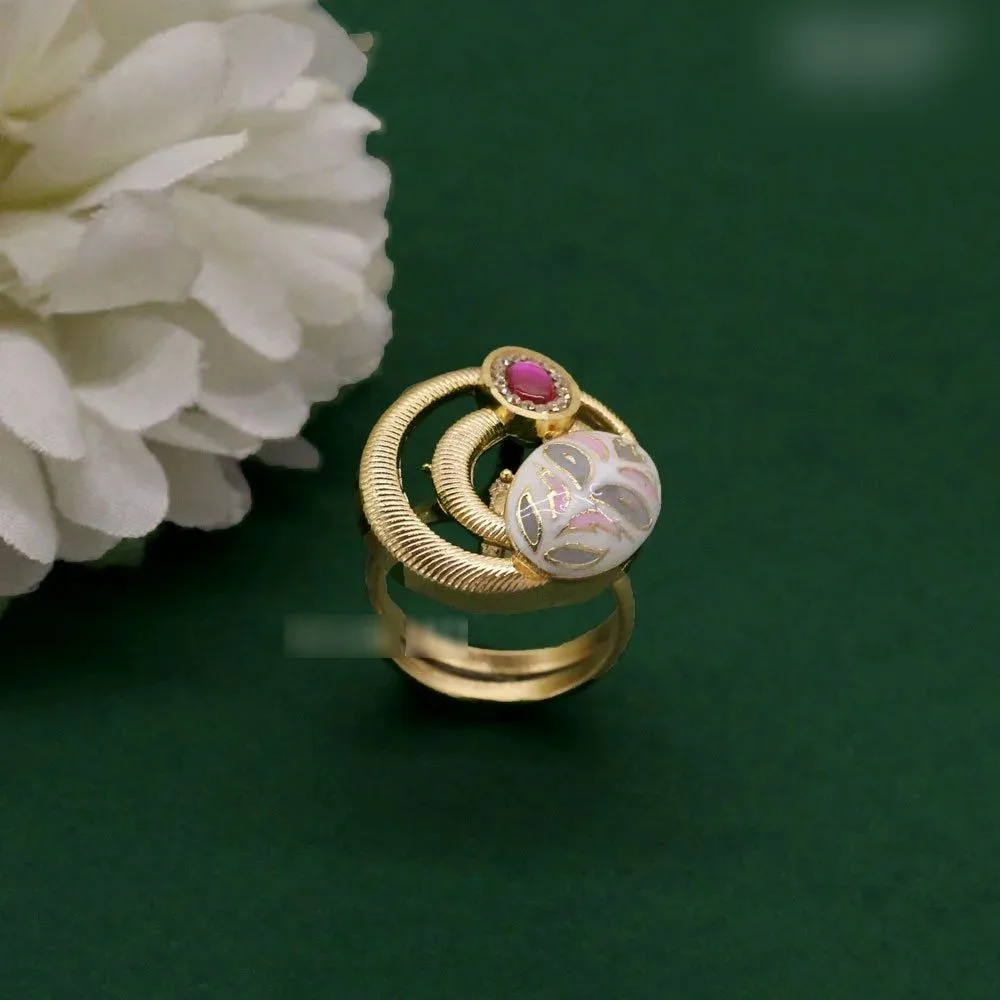
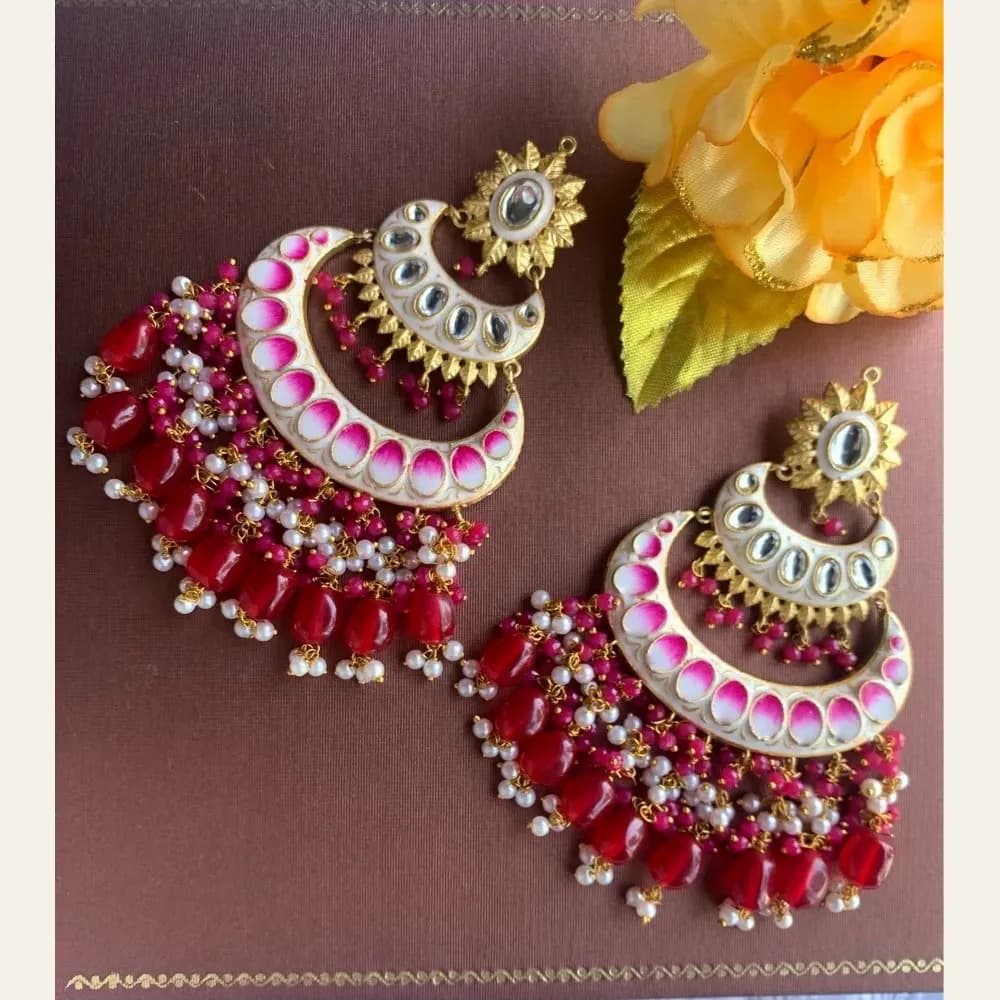
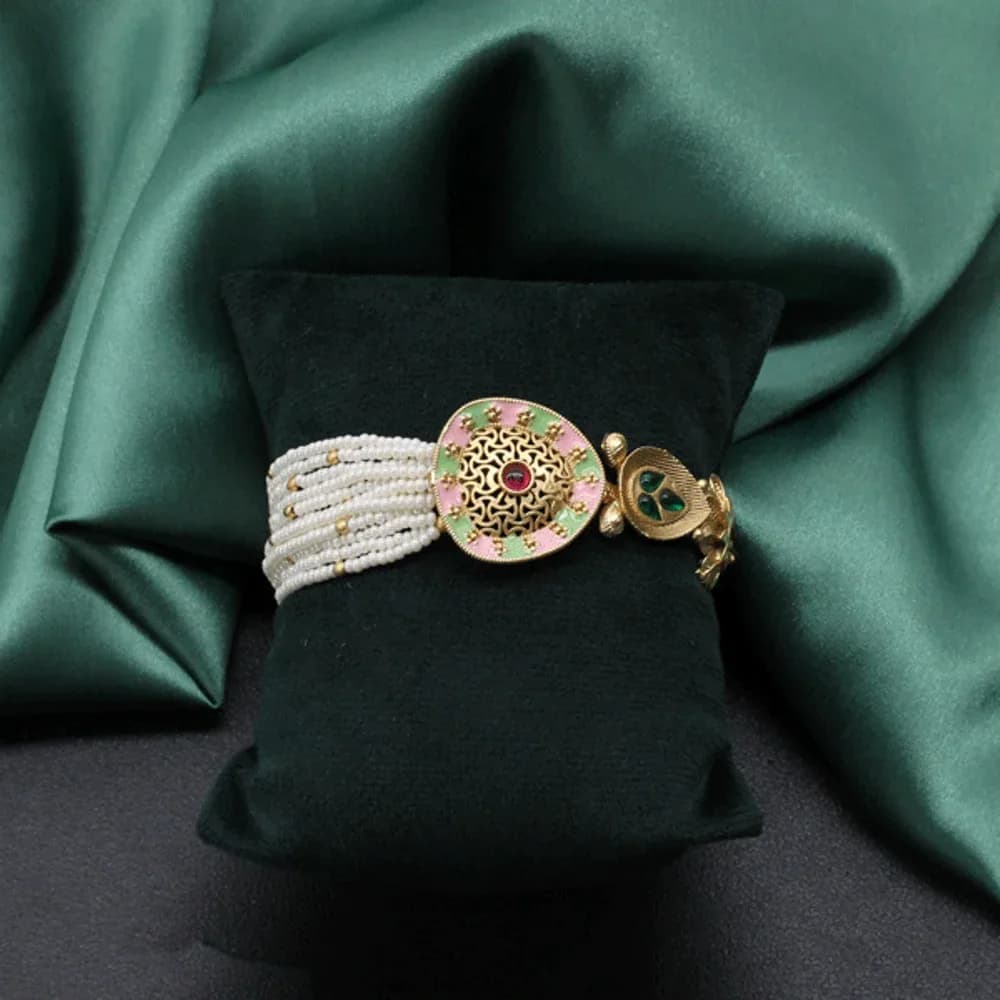
Fashion jewellery is built in layers. Underneath is brass or an alloy, mostly copper and zinc. Over that goes a thin plated layer that provides the gold tone. Over parts of it goes meenakari enamel, and sometimes a clear protective lacquer.
That plated layer is measured in microns — thinner than a sheet of paper. When it wears through at the high-contact points (the inside of a ring, the back of an earring hook, the edge of a bracelet), the brass beneath is exposed. Brass oxidises. It darkens. That is the black you see.
The green mark on skin is a separate reaction: copper in the brass combines with sweat, salts and the acids in lotions and perfumes to form copper salts, which are green. It is harmless, it washes off with soap and water, and it says nothing about the quality of your skin — some people simply have more acidic sweat.
The four things that cause most of it
- Perfume, deodorant and hairspray. Alcohol and oils attack plating directly. This is the single biggest factor and also the easiest to fix: jewellery goes on last, after everything else, and comes off first.
- Sweat. Salt and acid. This is why rings and bracelets — closest to the skin, most friction — always wear first. Take pieces off before exercise and before a hot commute.
- Water. Showers, swimming pools, washing up, and monsoon humidity. Chlorine is especially harsh. A piece that gets damp should be dried thoroughly before it goes back in a box.
- Storing pieces loose together. Friction is mechanical wear. Two bracelets in the same drawer scratch each other every time the drawer opens.
What actually helps
- Last on, first off. If you change only one habit, change this one.
- A dry wipe after every wear. Soft cotton or microfibre, before the piece is put away — this removes sweat and cosmetic residue before it sits on the metal overnight.
- Individual pouches. Not a shared box. Not a bowl on the dresser.
- Silica gel sachets in the storage box, replaced every few months. The ones from a shoebox work fine.
- Rotation. Wearing three pieces alternately is far better for all three than wearing one every day.
- Remove rings before washing hands. Rings live in the wettest environment of any jewellery and wear fastest because of it.
What makes it worse — the popular advice that damages jewellery
| Method | Why people suggest it | What it does |
|---|---|---|
| Toothpaste | Mild abrasive, works on silver | Sands off plating; scratches enamel |
| Baking soda paste | Works on solid metals | Abrasive; strips plating quickly |
| Ultrasonic cleaner | Used by jewellers | Vibration lifts enamel edges and loosens glued stones |
| Metal polish / Brasso | Restores brass shine | Removes the plated layer entirely |
| Vinegar or lemon | Cuts oxidation | Acid attacks plating and can dull enamel |
| Hot soapy water soak | Seems gentle | Water penetrates settings, weakens adhesive, harms pearls |
A dry cloth is not a compromise. On plated jewellery with enamel, it is the correct tool.
Can a piece be re-plated?
Technically yes; practically, rarely worth it. Re-plating a piece that cost under ₹2,000 usually costs a meaningful fraction of the original price, and re-plating over meenakari enamel risks the enamel in the process.
A more useful way to think about it: fashion jewellery is priced to be worn and enjoyed for a season or several, not to be maintained indefinitely. That is a legitimate trade-off — it is simply not the trade-off gold makes, and we would rather say so than promise otherwise.
What we don't claim
You will see listings advertising anti-tarnish jewellery, lifetime shine and permanent finish. No plated fashion jewellery can honestly promise that. A protective lacquer helps and we use good-quality plating, but physics eventually wins.
What we do instead is tell you the base metal, tell you how to look after each piece, and back it with a free-pickup return window if something arrives wrong. The full care routine lives on our jewellery care page.
Frequently asked questions
Why does my jewellery turn my skin green?
Copper in the brass base reacts with sweat and the acids in lotions and perfumes to form copper salts, which are green. It is harmless and washes off. Keeping pieces dry and away from cosmetics reduces it.
How do I clean tarnished fashion jewellery?
With a soft, dry cloth — nothing else. Once the plating has worn through, the darkening cannot be cleaned off, only disguised, because you are looking at the base metal itself.
Does clear nail polish stop jewellery turning skin green?
A thin coat on the inner surface of a ring does act as a barrier for a while, but it wears off within days and can look untidy. Keeping the piece dry and removing it before washing hands works better.
How long does gold-plated jewellery last?
With careful use — occasional wear, dry storage, no perfume contact — a good plated piece keeps its finish for a long time. Worn daily against skin, sweat and soap, the same piece will show wear within months. Handling matters more than price.
Is tarnished jewellery safe to wear?
Yes. Oxidised brass and copper salts are not harmful to skin. If a piece causes actual irritation, that is usually a nickel sensitivity rather than tarnish, and you should stop wearing it.
Shop this guide